Samsung Galaxy S25 Edge Review: The Thinnest AI Flagship (2026)
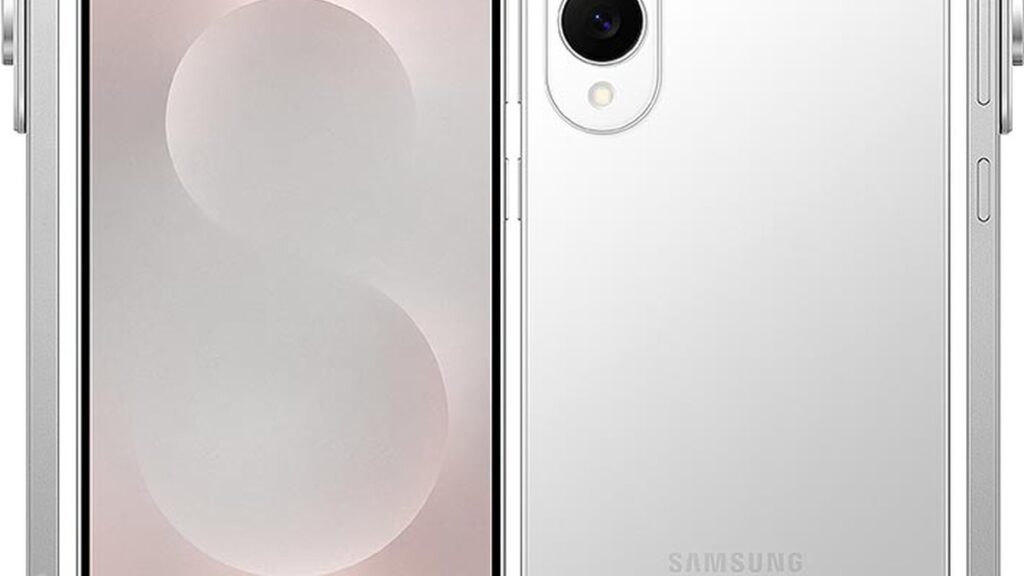
If you’ve been waiting for a flagship Android smartphone that combines cutting-edge AI with a genuinely pocketable design, the Samsung Galaxy S25 Edge is the real deal. Samsung took everything great about the S25 Ultra — the AI processing, the camera system, the display quality — and crammed it into a body that’s just 5.8mm thin and weighs 163 grams. That’s thinner than most phones from five years ago, and it runs circles around them.
We’ve been testing the S25 Edge for the past two weeks as our primary phone, and here’s our full breakdown.
Design and Build: Thin Without the Compromise
The first thing you notice is the weight — or rather, the lack of it. At 163g, this is one of the lightest flagship phones Samsung has ever made. The 6.7-inch Dynamic AMOLED 2X display is gorgeous: 3120×1440 resolution, 120Hz adaptive refresh, and a peak brightness of 2600 nits that makes it perfectly readable in direct sunlight.
The titanium frame feels premium without adding bulk, and the Gorilla Glass Ceramic 2 front panel is surprisingly scratch-resistant. After two weeks in a pocket with keys, we saw zero micro-scratches — something we can’t say for most phones we’ve tested.
Galaxy AI: Your Phone Actually Gets Smarter
The S25 Edge runs Samsung’s Galaxy AI suite, and this is where the phone truly earns its keep. The Snapdragon 8 Elite for Galaxy processor has a dedicated NPU (neural processing unit) that handles AI tasks on-device, meaning faster responses and better privacy.
Here’s what stood out in daily use:
- Circle to Search: Draw a circle on anything on your screen and Google searches it instantly. Sounds gimmicky until you use it 100 times a day.
- Live Translate: Real-time phone call translation in 13 languages. We tested it on a call with a Spanish-speaking client — seamless, near-zero lag.
- AI Photo Edit: The generative edit feature can remove objects, fill backgrounds, and even suggest better crops. It’s genuinely useful, not just a party trick.
- Now Brief: Every morning, you get a personalized briefing pulled from your calendar, weather, news, and commute. It’s like having a personal assistant who actually knows your schedule.
- Nightography AI: Low-light photos are dramatically better than last year. The AI denoising is aggressive but natural-looking.
Camera System: Dual Lens, Maximum Versatility
Samsung made a bold choice going with just two rear cameras: a 200MP main sensor and a 12MP ultrawide. No telephoto. Instead, Samsung relies on the 200MP sensor’s incredible resolution to deliver 5x optical-quality zoom through cropping and AI upscaling.
Daylight photos are stunning — the 200MP sensor captures absurd amounts of detail. At 5x zoom, results are surprisingly good for a “digital” zoom, though you’ll see artifacts if you push past 10x. The ultrawide is solid for landscapes but shows distortion at the edges.
The front-facing 12MP camera takes excellent selfies with natural skin tones — Samsung finally toned down the smoothing that plagued older Galaxy phones.
Battery Life: The One Trade-Off
Here’s where the thin design costs you. The 3,900mAh battery is significantly smaller than the S25 Ultra’s 5,000mAh cell. In our testing:
- Mixed use (social, email, photos): 5-6 hours of screen time, barely making it through a full day
- Heavy use (gaming, video, GPS): 4-5 hours of screen time
- Charging: 25W wired gets you 50% in about 30 minutes; 15W wireless works fine overnight
If you’re a heavy user, you’ll want a charger at your desk. For moderate use, it’s manageable but not impressive.
Performance: Snapdragon 8 Elite Delivers
The Snapdragon 8 Elite for Galaxy is a beast. In benchmarks, it pushes past the iPhone 16 Pro in GPU tasks and matches it in single-core CPU performance. In real-world use, everything is instantaneous — apps open instantly, multitasking is seamless, and games like Genshin Impact run at max settings without breaking a sweat.
12GB of RAM ensures apps stay in memory, and the phone stayed cool even during extended gaming sessions despite the thin body.
Pros
- Incredibly thin and light flagship design — a genuine engineering achievement
- 200MP main camera takes exceptional daylight photos
- Galaxy AI features are genuinely useful, not gimmicks
- Top-tier Snapdragon 8 Elite performance
- Bright, beautiful 6.7-inch AMOLED display
- 7 years of OS and security updates
- On-device AI processing for better privacy
Cons
- Battery life is mediocre — the thin design limits capacity
- No dedicated telephoto lens at any price point above $1,000
- 25W charging feels slow compared to Chinese flagships (100W+)
- Base model starts at $1,099 — not cheap
- No S Pen support (unlike the S25 Ultra)
Who Is This For?
The Galaxy S25 Edge is for the professional who wants flagship power and AI smarts without the bulk of a traditional flagship. If you hate heavy phones and don’t want to compromise on camera or performance, this is your phone. If you need all-day battery life or a telephoto zoom, stick with the S25 Ultra.
Rating: ★★★★½ (4.5/5)
The Samsung Galaxy S25 Edge is one of the most innovative smartphones Samsung has ever made. The thin design is remarkable, the AI features are genuinely useful, and the camera system punches above its weight. The only real weakness is battery life — and for many users, the trade-off is worth it.
Check Price on Amazon: Samsung Galaxy S25 Edge — $1,099